Understanding Your Insurance Policy
Before you can maximize your settlement, you need to understand what your policy covers. Review your coverage details, deductibles, and any exclusions that might affect your claim.
- Know your deductible amount and how it affects your payout
- Understand the difference between ACV (Actual Cash Value) and RCV (Replacement Cost Value)
- Check for any exclusions related to specific types of storm damage
- Review your policy limits for different types of coverage
Documenting Storm Damage Properly
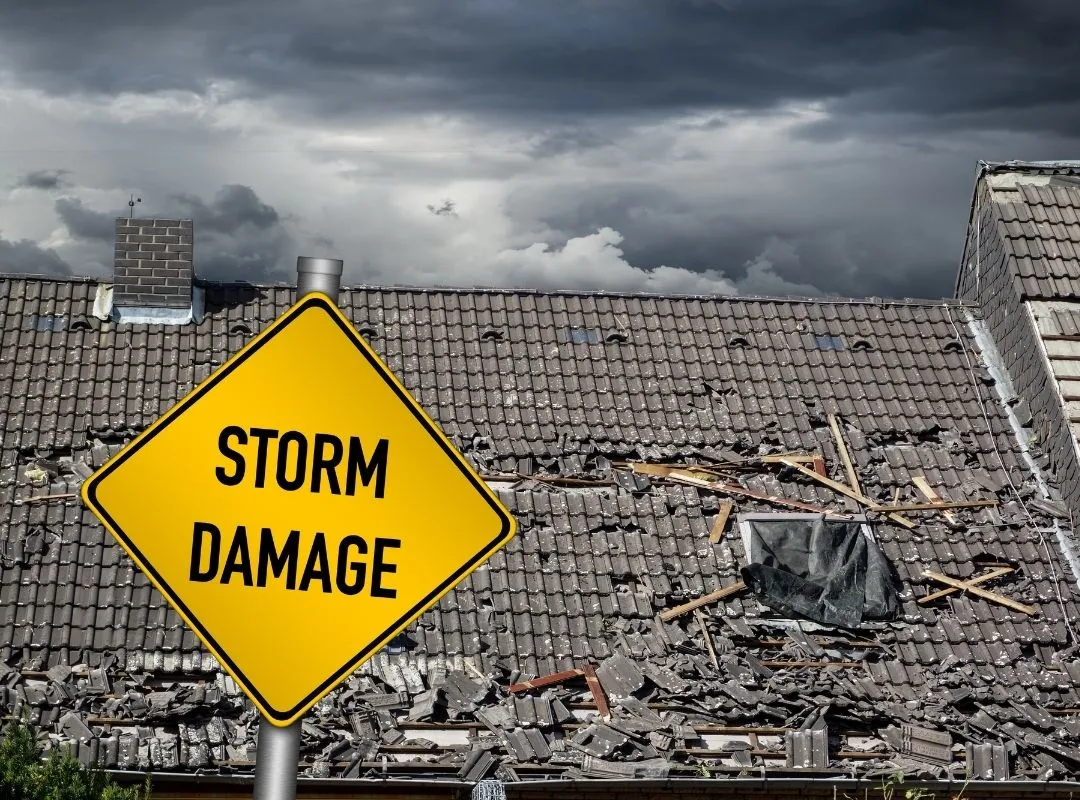
Thorough documentation is the foundation of a successful insurance claim. Take detailed photos and videos of all damage, create inventory lists of damaged items, and get professional contractor assessments.
Don't clean up or make permanent repairs until the damage has been fully documented. Only make temporary repairs to prevent further damage, and keep all receipts.
Hiring A Public Adjuster
Hiring a public adjuster can be the most impactful decision you make when filing a storm damage claim. A public adjuster works independently from both you and the insurance company, providing unbiased negotiations and expert claim preparation.
Claimants using Select Adjusters receive on average 4x the settlement amount compared to filing on their own. Our expertise in documentation, policy interpretation, and negotiation consistently delivers superior results.
Negotiating Your Settlement
Never accept the first offer from your insurance company without careful review. Initial offers are often significantly lower than what you're entitled to receive.
- Review the settlement offer against your documented damages
- Identify any damage that was missed or undervalued
- Present additional evidence and contractor estimates
- Negotiate for a fair settlement that covers all repair costs
- Consider hiring a public adjuster if negotiations stall
