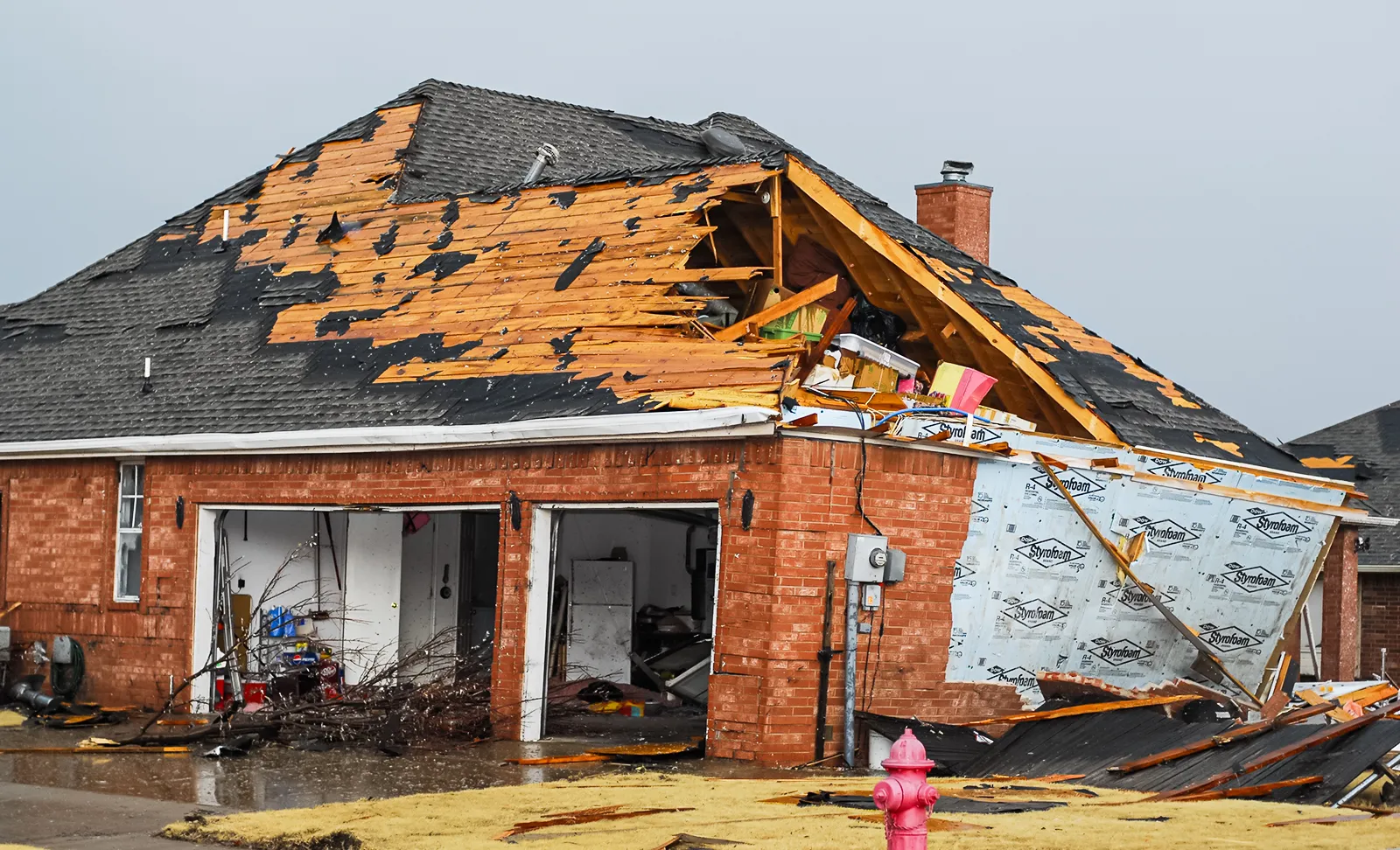
Why Proper Documentation Matters
Proper documentation is the single most important factor in a successful insurance claim. Without thorough evidence of the damage, insurance companies can minimize or deny your claim entirely.
The goal is to create an irrefutable record of what happened, when it happened, and exactly how much damage was caused. This documentation becomes your strongest tool in negotiations.
Step 1: Ensure Safety First
Before documenting anything, ensure your safety and the safety of your family. If there is structural damage, gas leaks, downed power lines, or flooding, evacuate and call emergency services.
Only begin documenting damage when it is safe to do so. Your safety is more important than any insurance claim.
Step 2: Photo And Video Documentation
Take comprehensive photos and videos of all damage. Use your smartphone's timestamp feature to prove when the documentation was created.
- Take wide-angle shots showing the overall extent of damage
- Take close-up photos of specific damage areas with a ruler or coin for scale
- Walk through your entire property filming video of all damage
- Document damage to both the structure and personal belongings
- Include photos of your property from before the storm if available
Step 3: Create A Damage Inventory
Create a detailed inventory of all damaged items, including their age, condition before the storm, and estimated replacement cost. This is especially important for personal property claims.
Keep all damaged items until your claim is settled. The insurance company may want to inspect them as part of the claims process.
Step 4: Get Professional Assessments
Contact a licensed public adjuster or contractor to provide a professional damage assessment. Professional documentation carries more weight with insurance companies than homeowner documentation alone.
Select Adjusters provides free property inspections and comprehensive damage assessments. Our licensed adjusters know exactly what to document and how to present it for maximum impact on your claim.
