Winter can be a challenging season for homeowners and property owners alike. Snow, ice, freezing temperatures, and harsh storms can cause significant damage to roofs, pipes, and other critical parts of a home. Unfortunately, winter weather-related insurance claims often go wrong due to mistakes that homeowners unknowingly make. Understanding winter insurance claim mistakes and how to prevent them can save time, reduce stress, and ensure you receive the compensation you deserve.
In this guide, we’ll explore the most frequent common insurance claim mistakes winter brings, provide actionable advice for winter property damage insurance claims, and explain when to consider professional help like a public adjuster. By following these tips, you can navigate the winter storm insurance claim tips and avoid the pitfalls that lead to denied winter insurance claims or underpaid insurance claims winter.
Understanding Winter Property Risks
Before diving into mistakes and solutions, it’s important to understand why winter poses unique challenges for insurance claims. Snow accumulation, ice dams, frozen pipes, and holiday season hazards significantly increase the likelihood of home damage. Even seemingly minor issues, like a slow roof leak, can escalate into expensive repairs if not handled promptly. Homeowners often underestimate the extent of winter-related damage, leading to mistakes when filing claims.
For instance, a winter roof damage insurance claim requires accurate documentation of damage, timing, and immediate mitigation efforts. Similarly, snow and ice damage insurance claim cases often fail because homeowners wait too long to report or improperly document their loss.
Common Winter Insurance Claim Mistakes
Many homeowners make repeated mistakes when filing claims during the colder months. Recognizing these errors is the first step toward preventing them.
1. Delaying the Claim
One of the most frequent issues is procrastination. Homeowners assume that their insurance company will automatically cover damage without immediate notice. However, filing insurance claim in winter should be done as soon as possible. Delays can result in denied winter insurance claims, especially if the insurer suspects the damage worsened due to neglect.
2. Inadequate Documentation
Proper documentation is critical for insurance claim documentation winter. Photos, videos, receipts, and a detailed description of the damage are essential. Many homeowners fail to take comprehensive records, especially in harsh conditions, leading to disputes or lower settlements. Whether it’s a frozen pipe insurance claim mistake or an ice dam insurance claim, visual proof and written details are invaluable.
3. Ignoring Mitigation Steps
Insurance policies often require homeowners to take reasonable steps to prevent further damage. Leaving a leaking roof unattended during a winter storm or failing to remove ice buildup can result in underpaid insurance claims winter. Insurers may argue that additional damage could have been avoided, reducing your settlement.
4. Misunderstanding Policy Coverage
Not all damage is automatically covered. Many homeowners file claims without fully understanding the limits of their policy. This is especially true for complex winter claims, like roof leak insurance claim winter or ice dam insurance claim. Reviewing your policy annually, particularly before winter, can help prevent insurance claim errors homeowners make.
5. DIY Repairs Before Filing
While it may be tempting to make quick repairs, doing so without consulting your insurer can complicate your winter home insurance claim help. Unauthorized repairs can result in disputes over the cost or necessity of the repair, potentially leading to denied winter insurance claims. Always document damage before any repairs begin.
Specialized Tips for Winter Storm Damage Claims
Winter storms introduce unique challenges. The following guidance helps ensure your winter storm damage claim process is smooth and successful.
Assess Damage Safely
Winter storms can create hazardous conditions, such as slippery roofs and icy walkways. Always prioritize safety. If it’s unsafe to inspect damage, hire professionals to document and evaluate the property. This reduces risk and ensures accurate records for your claim.
Mitigate Immediate Threats
If a roof is leaking or a pipe is frozen, temporary solutions like tarps or pipe insulation can prevent further damage. Document these mitigation efforts carefully, as insurers consider them part of the claim evaluation process.
Understand Seasonal Policy Clauses
Some insurance policies include specific clauses for holiday season insurance claims or winter-specific coverage. Knowing these details ensures you don’t miss critical benefits or inadvertently violate terms that could reduce your payout.
When to Hire a Public Adjuster in Winter
For complex or disputed claims, consulting a public adjuster is often the best step. Public adjusters advocate on behalf of the policyholder, not the insurance company. Their expertise can be invaluable for:
- Public adjuster winter insurance claims involving multiple types of damage
- Large winter property damage insurance claims with structural concerns
- Situations where initial claims are denied winter insurance claims or underpaid insurance claims winter
Hiring a public adjuster early in the process ensures that all documentation is thorough, and every claimable item is properly accounted for, maximizing your settlement.
Specific Winter Claim Scenarios
Understanding common winter claim scenarios helps homeowners prepare in advance and avoid mistakes.
Roof Damage
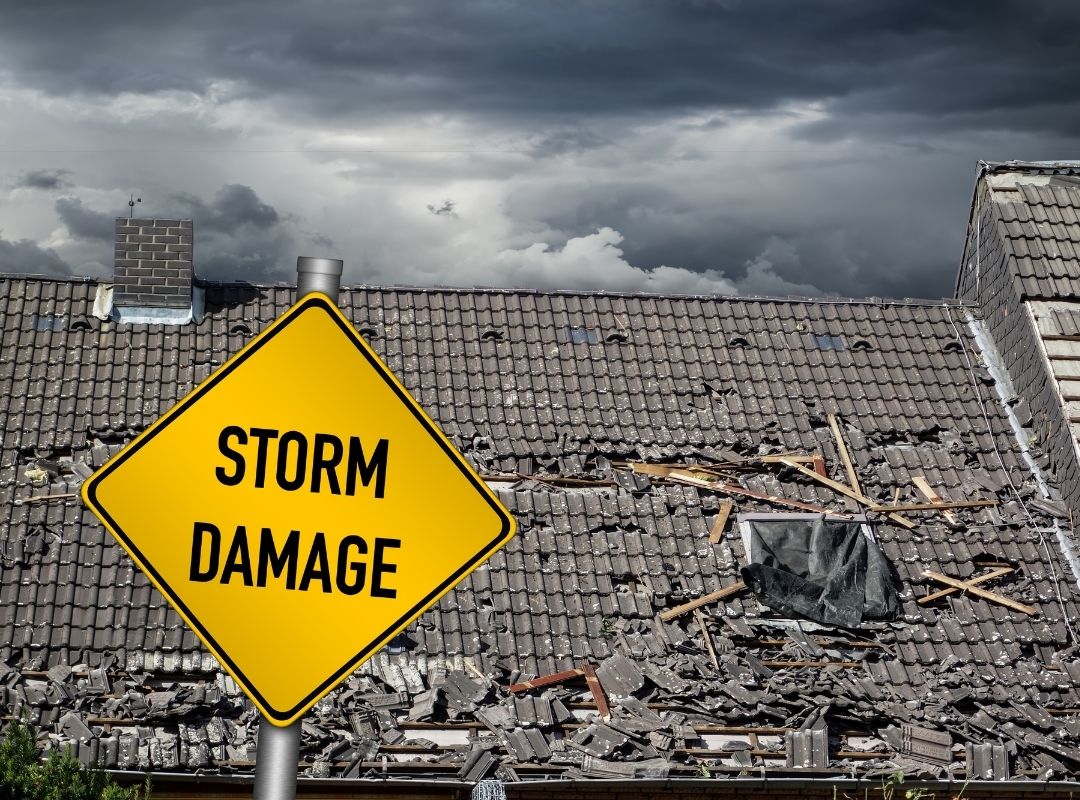
Snow, ice, and freezing rain can cause shingles to crack or collapse, leading to a winter roof damage insurance claim. Homeowners often fail to photograph minor damage before it worsens, resulting in reduced compensation.
Ice Dams
Ice dams occur when heat from the home melts snow on the roof, which refreezes at the edges. This can lead to leaks and water damage inside. A timely ice dam insurance claim with proper documentation prevents disputes.
Frozen Pipes
Frozen pipes are a major winter hazard. Many homeowners make the frozen pipe insurance claim mistakes of attempting repairs before notifying the insurer, leading to coverage complications. Detailed records and early reporting are critical.
Snow and Ice Accumulation
Excessive snow and ice can damage gutters, driveways, and structural components. Documenting the conditions and resulting damage is essential for a successful snow and ice damage insurance claim.
Best Practices to Avoid Claim Errors
To avoid insurance claim errors homeowners make, follow these best practices:
- Document Immediately – Photos, videos, and notes of damage.
- Notify Your Insurer Promptly – Prevents denial due to delayed reporting.
- Mitigate Damage – Take temporary steps to protect your property.
- Review Policy Details – Understand what’s covered, especially seasonal clauses.
- Consult Professionals – Public adjusters can handle complex claims efficiently.
Conclusion
Winter weather can bring unforeseen damage to your home, but avoiding common insurance claim mistakes winter helps ensure that you receive the coverage you deserve. From frozen pipe insurance claim mistakes to winter roof damage insurance claim issues, timely action, thorough documentation, and understanding your policy are critical.
If your winter claim involves complex damage or disputes, consider hiring a public adjuster winter insurance claims expert to advocate on your behalf. With the right preparation, you can navigate the winter storm damage claim process with confidence and avoid underpaid insurance claims winter.
If you’re facing winter home insurance claim help or want to ensure your claim is handled correctly, Select Adjusters is here to help. Our team of experienced public adjusters can guide you through the entire process, maximizing your settlement and minimizing stress. Contact Select Adjusters today to protect your home and ensure your winter insurance claims are handled the right way.
Case Studies: Real-world Examples of Special Circumstances
Consider a homeowner who experienced significant roof damage after a particularly severe hailstorm, categorized as a once-in-a-decade weather event. While their policy covered hail damage, the extraordinary nature of the storm brought several factors into play, including the home’s construction quality and previous maintenance records. The insurance company required more extensive documentation and hired external experts to assess the situation, prolonging the claims process.
In another instance, a historic home’s roof suffered damage due to a fallen tree during a storm. However, due to the property’s historical status, special materials and craftsmanship – not standard in modern roofs – were required for restoration. This scenario was beyond the ordinary repair or replacement claim, involving regulations on historical preservation and increased repair costs. The homeowners had to negotiate extensively with their insurance providers to categorize this as a special circumstance, given the additional expenses and considerations.

The Impact of Special Circumstances on Your Claim Process
Special circumstances significantly alter the standard procedure for filing and processing insurance claims. These situations often demand extensive documentation, including detailed incident reports, expert assessments, and sometimes, historical data. The insurance company might deploy a special team or an independent adjuster to investigate the claim’s validity, leading to a more drawn-out, intricate process.
Moreover, these unique cases can lead to disputes between homeowners and insurance companies. When a claim falls under special circumstances, there might be disagreements regarding the compensation amount, the coverage scope, or the incident’s nature. These disputes can delay repairs, creating a situation where the property could incur further damage. Homeowners might need to prepare for a negotiation process, armed with proper documentation, legal advice, and a lot of patience.
Navigating Through Special Circumstances: Expert Tips
One crucial step homeowners should take is meticulously documenting the damage. This process includes taking photographs before and after repairs, keeping a record of all communication with the insurance company, and retaining receipts from any related expenses. This documentation can provide substantial support during the claim process, especially if disputes arise regarding the claim’s validity or scope.
Communication with your insurance provider should be clear, timely, and detailed. Promptly report the damage, and provide all required information. It’s also beneficial to consult with roofing experts or contractors experienced in insurance claims. They can offer valuable insights into the damage assessment, ensuring that the claims filed accurately represent the property’s condition. Their expertise might also highlight aspects you may have overlooked, strengthening your claim.
Legal Considerations in Cases of Special Circumstances
If a dispute arises from your claim, or it’s rejected, and you believe the decision isn’t justified, seeking legal counsel might be a prudent step. Lawyers specializing in property insurance can provide guidance, helping you understand your policy’s nuances and your entitlement. They can also assist in drafting correspondence to your insurance provider, ensuring it’s legally sound and that you’re adequately represented.
Legal considerations also extend to understanding local regulations and statutes that might influence your claim. For instance, areas prone to extreme weather might have laws affecting insurance policies and construction standards. Being aware of these legal frameworks can inform your expectations and preparations when filing a claim under special circumstances, providing an additional layer of consideration during the process.
Preparing for the Unpredictable: How to Safeguard Against Future Incidents
To mitigate future risks, homeowners should consider reviewing their current policies and, if necessary, seeking more comprehensive coverage. This review process might involve adjusting the policy to include a wider range of potential damages or increasing the coverage amount. While this might lead to higher premiums, the trade-off is greater financial security and peace of mind, particularly valuable in regions susceptible to extreme weather conditions.
Regular maintenance and inspections are also key. By ensuring that your roof is in optimal condition, you reduce the risk of potential damages being classified as regular wear and tear, which isn’t typically covered by insurance policies. Preventative measures extend the lifespan of your roof and can help prevent small issues from escalating into significant problems that require extensive repairs.
Navigating the complexities of special circumstances in roofing insurance claims requires an understanding of your policy, a proactive approach to home maintenance, and open communication with your insurance provider. These unique situations underscore the need for homeowners to be well-informed and prepared to face potential challenges in the claims process.
In cases of special circumstances, reaching out to professionals like Select Adjusters can make a significant difference. Their expertise in handling complex claims and negotiating with insurance companies can be invaluable. They can provide the guidance and support you need to navigate through the intricate and often stressful journey of filing a roofing insurance claim under special circumstances. Don’t navigate these choppy waters alone; professional help is available. Contact Select Adjusters for assistance and ensure you’re well-represented and your interests protected.